
Fact or Faked and the Lost Art of Investigation
Jun 17, 2026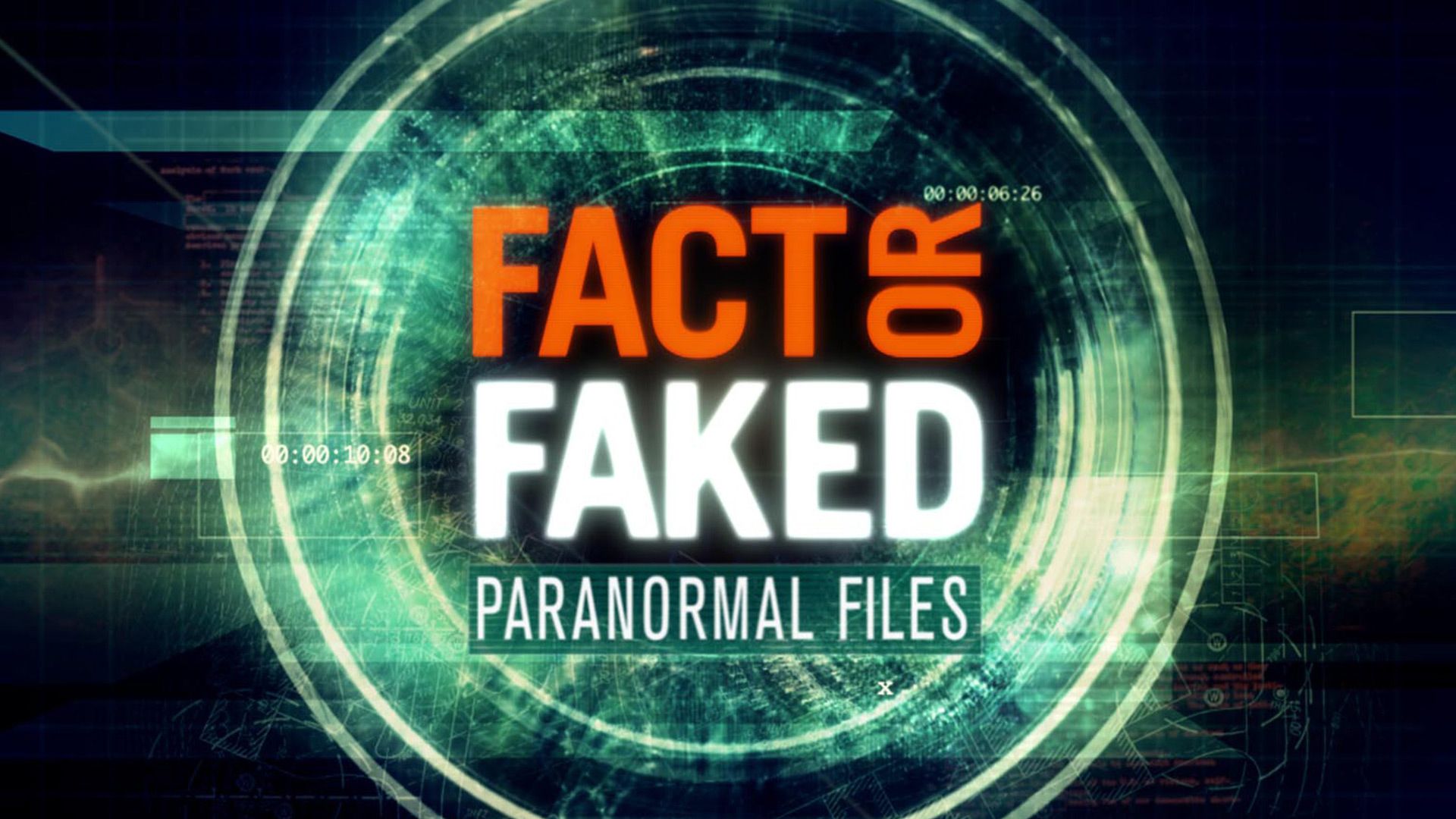
For years, paranormal television mostly followed the same formula. A strange video would surface, witnesses would tell their story, investigators would visit the location, and by the end of the episode the mystery usually remained exactly that, a mystery. Then a show called Fact or Faked: Paranormal Files came along and approached things differently.
Originally airing on Syfy between 2010 and 2012, the series was led by investigator Ben Hansen, whose background included work on Utah’s Sex Crimes Task Force before later serving with the FBI. Instead of simply presenting strange footage as evidence of the unexplained, the team attempted to recreate what they were seeing. If a video showed a UFO, they tried to reproduce it. If a ghost appeared in a photograph, they looked for practical explanations. If they couldn’t recreate it, they dug deeper. The goal was not to prove every claim was real or fake. The goal was to investigate it.
That approach has always appealed to me because it mirrors the way I try to research paranormal claims myself. Whether the subject is a UFO sighting, a ghost story, or a piece of viral footage, I find it more useful to start with the question of what happened than with the assumption that it must be real or fake. Sometimes an explanation emerges. Sometimes it doesn’t. Either way, the investigation is often more valuable than the conclusion.
I was reminded of that while attending Contact in the Desert and seeing Ben Hansen speak. Hansen remains one of the few well-known figures in the UFO and paranormal field who built his reputation around investigation rather than promotion. Fact or Faked wasn’t perfect. Like any television show, it had to entertain as well as inform. Some sceptics criticised certain conclusions and investigative methods, while others felt the show occasionally leaned too heavily into the mystery. Even with those criticisms, the core idea behind the show feels more relevant now than it did when it first aired.
The internet of 2010 was flooded with questionable videos. The difference is that creating convincing hoaxes still required a certain amount of effort and technical ability. The internet of 2026 is dealing with something far more difficult.
Artificial intelligence can now generate convincing UFO footage in minutes. Digital editing software that once required professional skills is available on almost every phone. Videos can spread to millions of people before anyone has had time to examine them. By the time questions are raised, the footage has often already become part of the latest viral UFO story.
The last few years alone have produced a steady stream of examples. AI-generated UFO videos have repeatedly gone viral across social media platforms. Old footage is constantly reposted with new claims attached to it. Known hoaxes continue to circulate years after being exposed. Some creators openly admit they are making entertainment, while others allow viewers to assume what they are seeing is genuine. Recent events within the UFO community show exactly why this kind of investigation is needed.
One of the most prominent involved the MH370 videos promoted by Ashton Forbes. For many people, the footage appeared to show evidence of an extraordinary event. Researchers spent months examining satellite imagery, cloud photographs, visual effects, flight data, and technical details of the videos. As the investigation continued, questions emerged about some of the evidence being used to support the claims.
The investigation itself was not the problem. In many ways, it was exactly what should have happened. The problem was that many people had already reached a conclusion before that investigation had run its course.
A similar pattern emerged around some of the UFO photographs promoted by Lue Elizondo. Images such as the so-called chandelier photograph and the alleged mothership image were widely discussed online and presented by many as significant evidence. Only later did detailed analysis begin examining whether there were more conventional explanations for what people were seeing. By then, many people had already decided where they stood.
Cases like these are exactly where a show such as Fact or Faked would fit. Rather than endless arguments on social media, investigators could examine the evidence, recreate the conditions, consult experts, test competing explanations, and show viewers the process. Maybe the original claim survives scrutiny. Maybe it doesn’t. Either outcome has value because the goal is to understand what happened, not defend a position.
The problem is that many people no longer seem interested in finding out whether something is real. Too often, footage is judged based on whether it supports what someone already believes. If a person wants disclosure to happen, they may embrace weak evidence because it feels like it moves the conversation forward. If someone wants to dismiss the entire subject, they may reject everything without examining it. Both positions lead to the same outcome. Investigation gets replaced by assumption.
That was what made Fact or Faked stand out. The show treated evidence as something that should be tested. The team built replicas, recreated camera angles, studied lighting conditions, and looked for practical explanations before declaring something unexplained. Sometimes they found an answer. Sometimes they didn’t. Either result was useful because it moved the conversation closer to the truth. It is a mindset the UFO field could use more of today.
Recent years have seen a surge in public interest. Congressional hearings, military footage, whistleblower claims, and growing mainstream media coverage have pushed the subject further into public discussion than at any point in decades. At the same time, social media has made it easier than ever for misinformation, altered videos, and outright fabrications to spread alongside legitimate cases.
That is why a show like Fact or Faked would arguably be more valuable today than when it first aired, not because it would tell viewers what to believe, but because it would remind people how to investigate.
Real research has never been about blindly accepting every claim. It is also not about automatically dismissing everything unusual. It sits somewhere in the middle, where evidence is examined, challenged, tested, and questioned. That mindset feels increasingly rare in an age where clicks, engagement, and viral posts often matter more than accuracy.
Walking around Contact in the Desert, listening to discussions about disclosure, whistleblowers, UFO evidence, and the future of the subject, I found myself thinking about that old Syfy series. For all its flaws, it represented something that many parts of the community seem to have lost. Curiosity and belief are both important, but neither should ever replace investigation.
In an age of AI-generated videos, viral UFO photographs, and instant conclusions, the simple idea behind Fact or Faked feels more relevant than ever: investigate first, decide later.